Birding with Bob Mayer
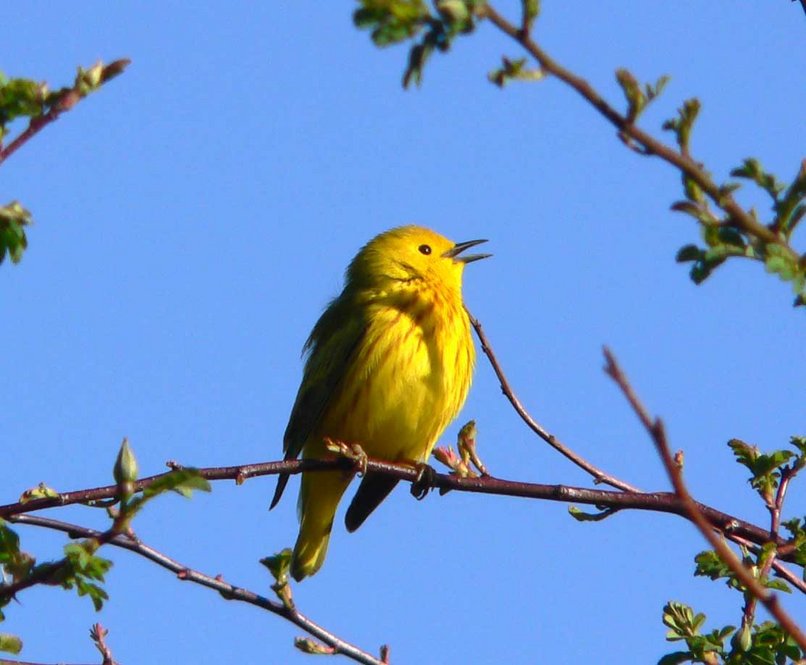
Start your 2025 year list off on this easy 90-minute walk from the main gate to the ponds and back. In addition to looking for winter birds we will admire the Arboretum's impressive woody plant collection.
Start your 2025 year list off on this easy 90-minute walk from the main gate to the ponds and back. In addition to looking for winter birds we will admire the Arboretum's impressive woody plant collection.
This is a virtual talk held over Zoom.
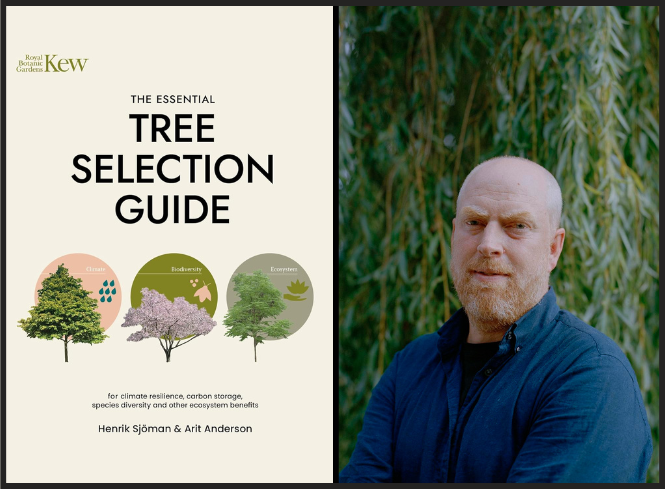
We know that trees are a key ally in the fight against climate change and urban heat islands, but not every tree works in every situation. Selecting the right tree for your yard or landscape is critical both for the health of the tree and for the strength of the ecosystem services they provide. Botanist and researcher Henrik Sjöman’s new book, “The Essential Tree Selection Guide,” is a valuable new tool for making these tree selection decisions: an A to Z guide of over 550 trees, the book comes complete with explanations of each tree’s ecosystem benefits, its resilience to drought and storms, and key considerations for site placement. Join us on December 8 for a virtual book talk on this invaluable new guide.
Author Henrik Sjöman is Senior Researcher at the Swedish University of Agricultural Sciences, Scientific Curator at Gothenburg Botanical Garden, and Honorary Research Associate at Kew Gardens.
Accessibility: This program is held virtually.
Audience: This program is geared towards adults.
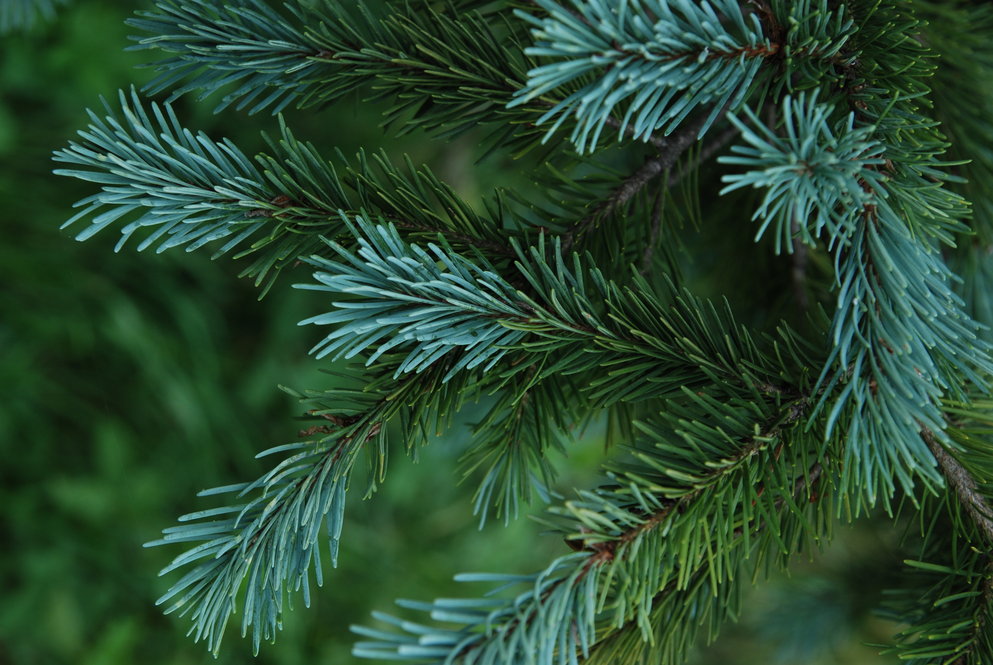
The conifer collection at the Arnold Arboretum is a magical place to visit at any time of the year, as it is especially rich in history and diversity. Docent Cristina Squeff will lead participants through this collection explaining key identification features and sharing relevant stories about individual trees.

The birds that populate the Arnold Arboretum rarely have to go far to find water. In the deserts of Botswana, Namibia, and South Africa, it's a different story, and the sandgrouse that lives in these arid environments has developed a fascinating adaptation to stay hydrated: these birds have a unique ability to absorb and hold water inside of their feathers. But how do their feathers hold water so efficiently? Dr. Lorna Gibson, Professor of Materials Science and Engineering at MIT, has found the answer. Join Dr. Gibson for a lecture to learn about these fascinating birds and the science behind them.
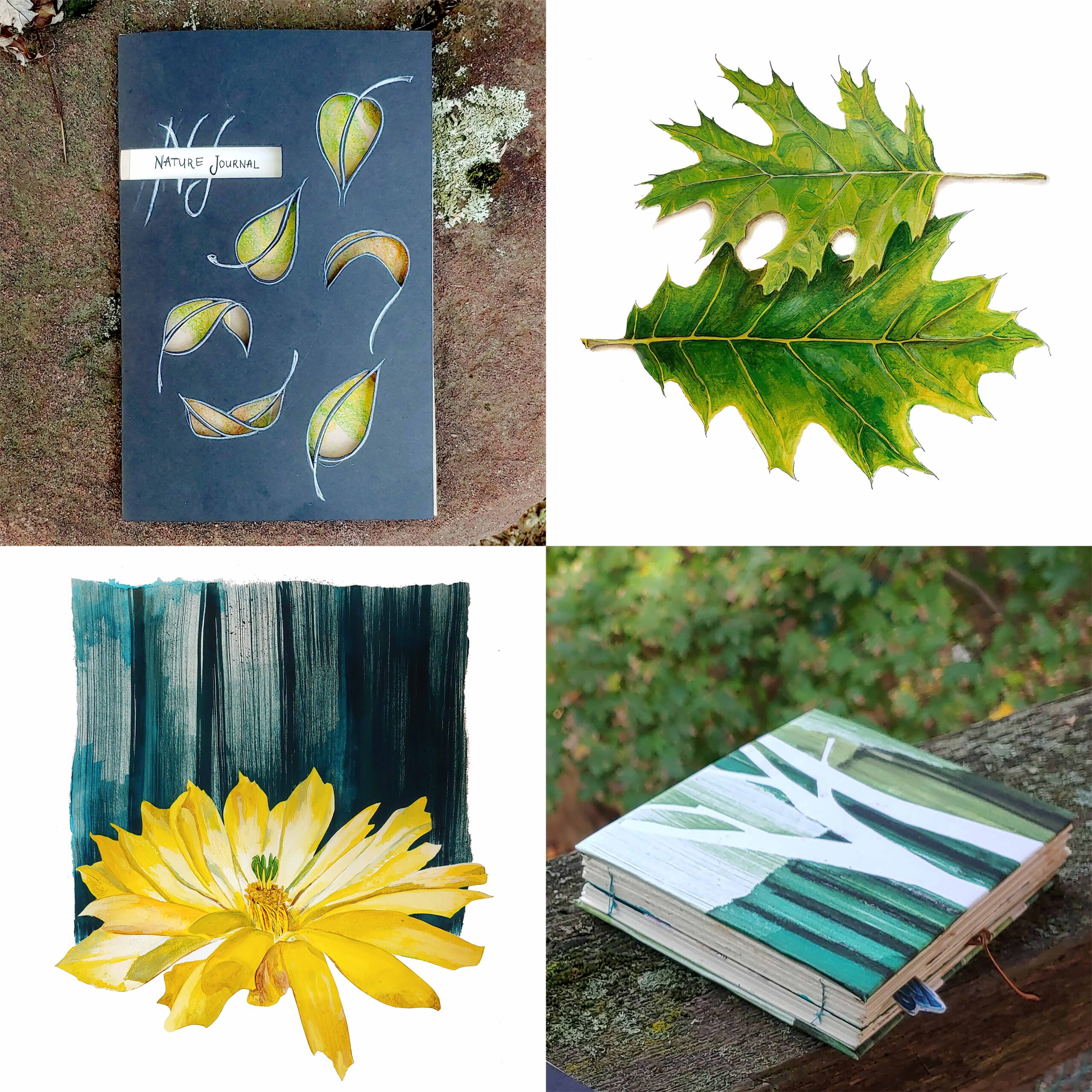
Bring your enthusiasm for the natural world and leave with a creative nature journal, inspired by the trees of the Arnold Arboretum. Nature journaling is all about expressing your curiosity and wonder through sketching, calligraphy, writing, or other forms of art-making. Tap into your creativity and let yourself be surprised by the diversity of forms on display in the winter landscape.

Join us for a winter foraging walk to learn what wild plants can be foraged and brewed into tea. Visit some of the Arboretum's tastiest winter plants, from sweet birch and sweet fern to sassafras and spicebush. You may even get to taste some of the teas yourself!
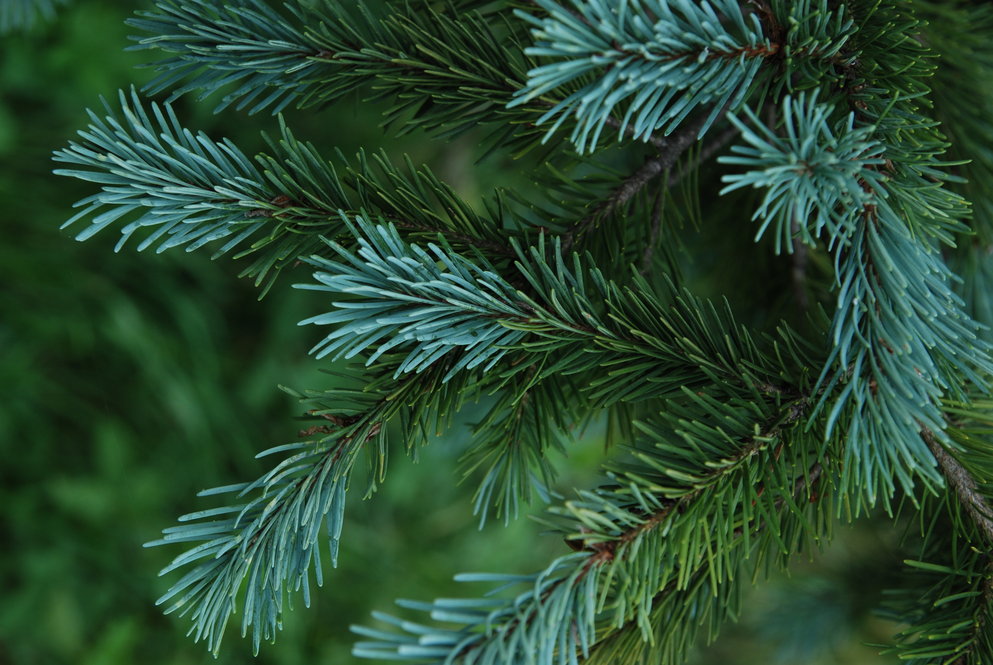
What is a conifer, exactly? How is it different from an evergreen, or a gymnosperm? Join docent Paul Eldrenkamp as he leads us through the different types of conifers and how to identify them, the reasons behind their distinctive needle-like forms, and their rise and fall in evolutionary history.
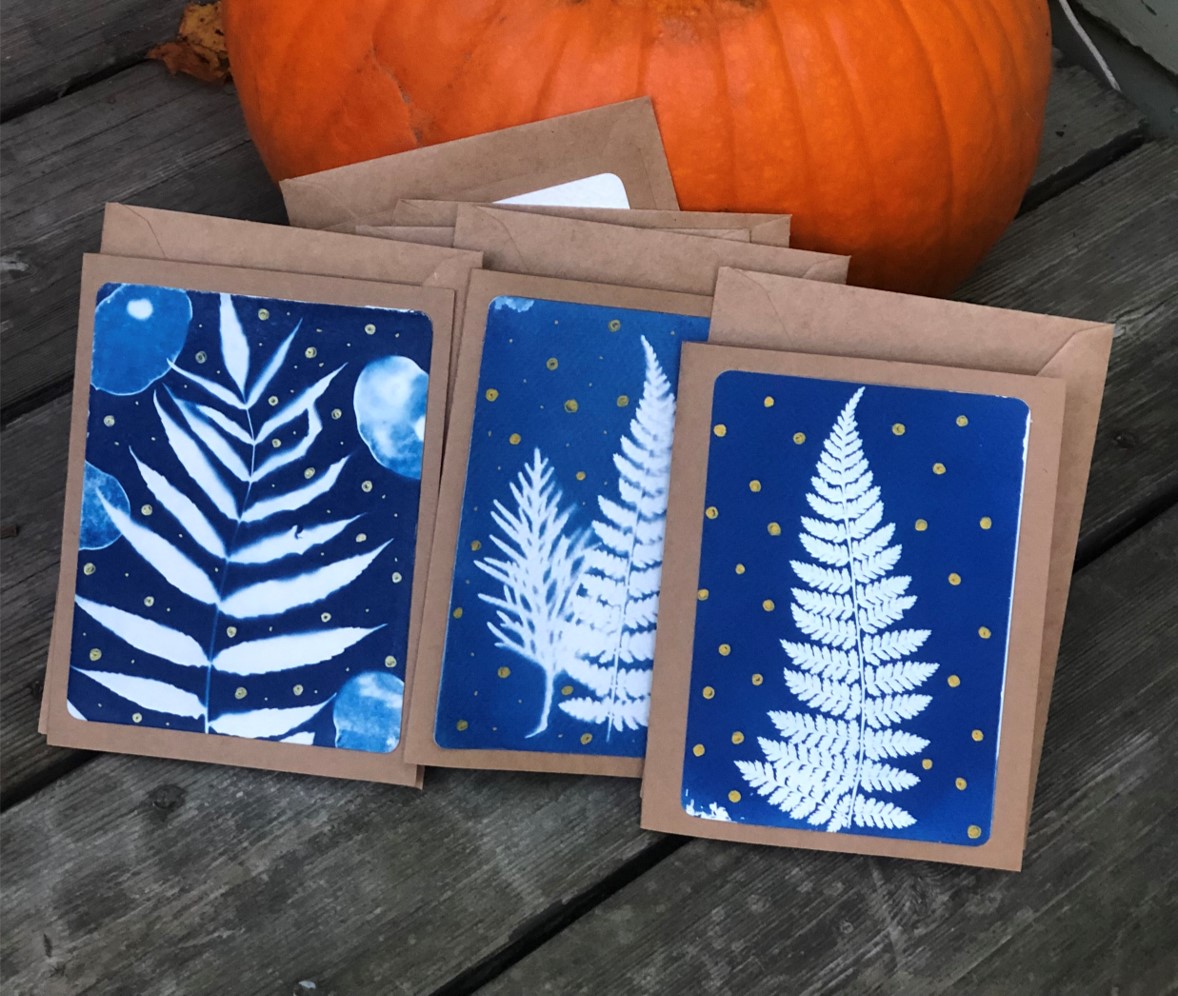
Make beautiful seasonal cards and prints using the alternative photography method known as Cyanotype. Participants will collect leaves and seeds in the landscape and arrange them on special paper to create a deep blue print with bright, ghost-white silhouettes. This historic photography method offers participants the ability to perform something that seems like magic.
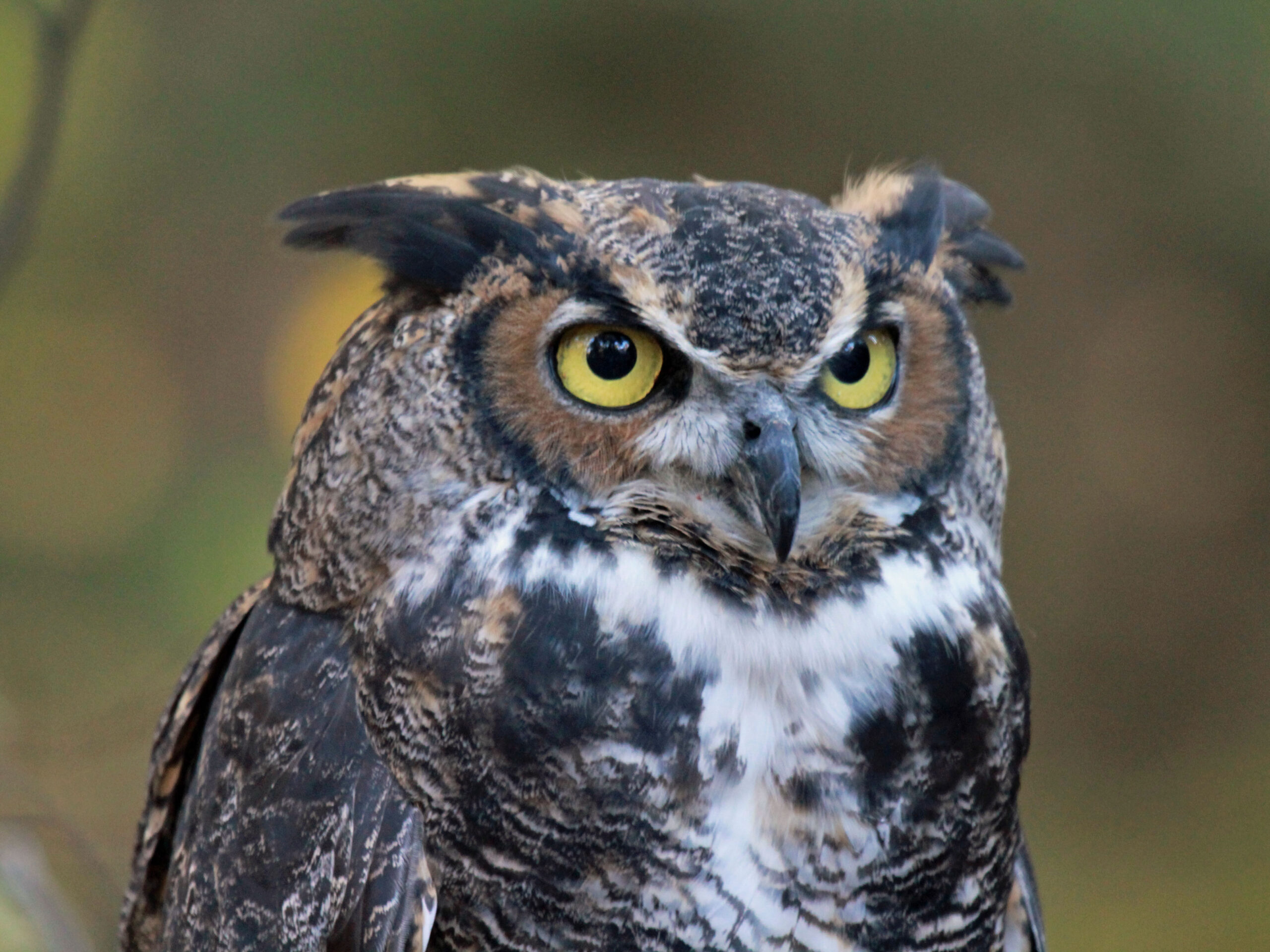
Dusk in November is a perfect time to look and listen for Great Horned Owls, often heard calling throughout the Arboretum’s collections. Join Horticulturist Brendan Keegan to hear about the owls' breeding and nesting behavior, learn how to go owling ethically, and possibly hear and see a few owls as well.