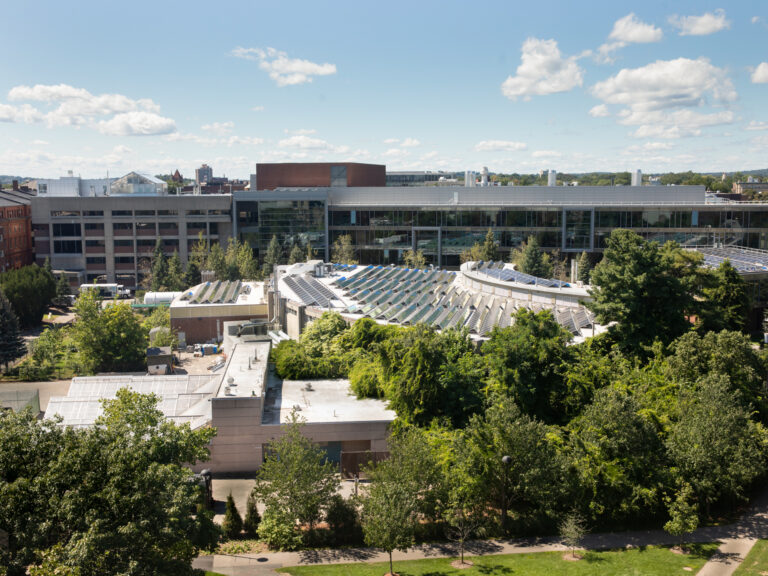
Consortium for Climate Solutions
The Consortium for Climate Solutions, co-led by Harvard, is a first-of-its-kind renewable energy aggregation that exemplifies collaboration on climate action, enabling greater renewable energy investment in two impactful projects — Big Elm Solar and Bowman Wind. Collectively these projects will generate enough clean electricity to power nearly 130,000 homes each year.
The virtual power purchasing agreements (VPPAs) for new, utility-scale renewable energy projects, when combined with Harvard’s renewable procurement in New England, means Harvard is purchasing the equivalent of 100% of its electricity from renewable sources starting in 2026. Learn more about Harvard’s progress toward Fossil Fuel-Neutral by 2026 and Fossil Fuel-Free by 2050.
Big Elm Solar
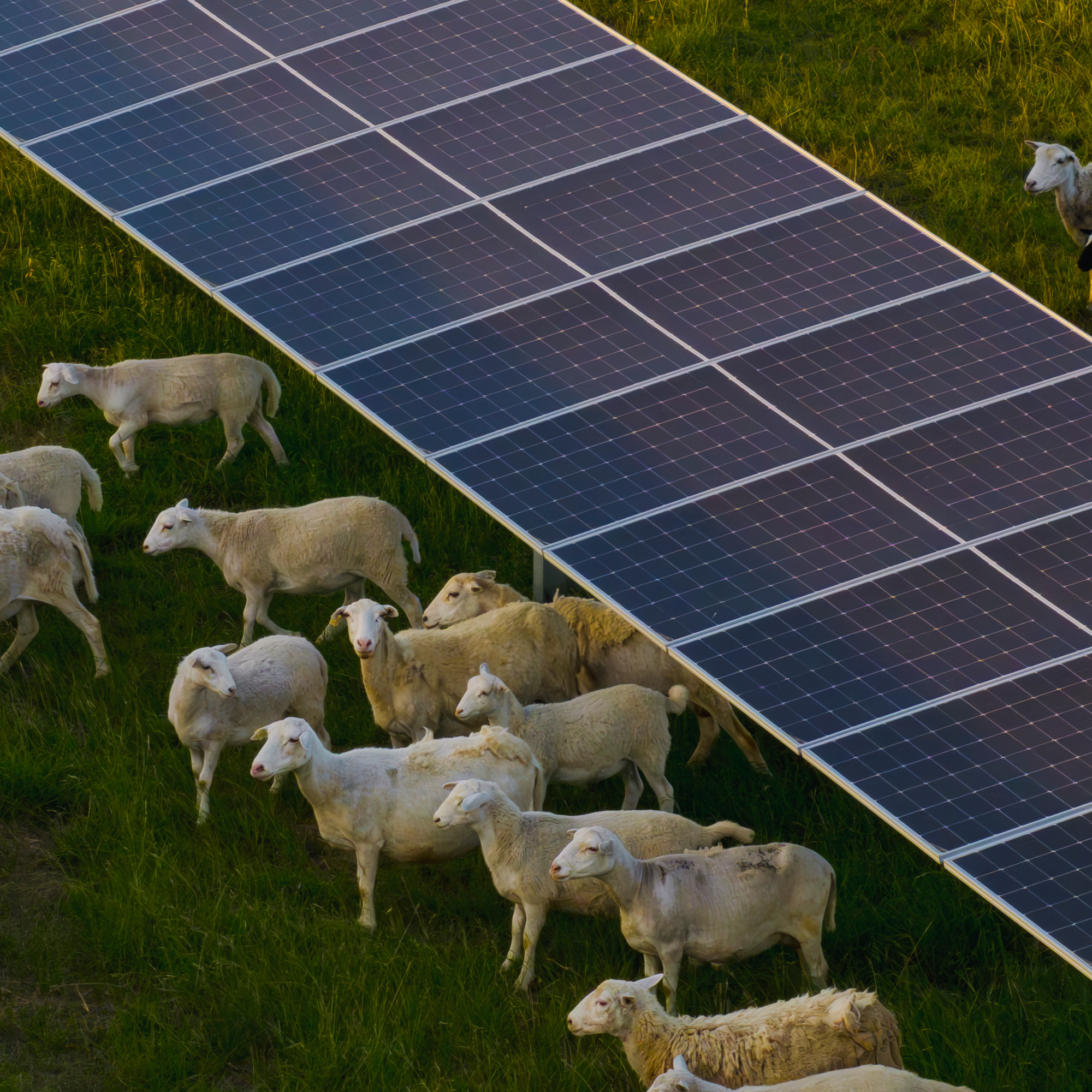
The power from Big Elm Solar is a solar project that came online in 2024 and will deliver 200 MW to Bell County electric grid. This is Apex’s first project to use agrivoltaics, or co-locating agricultural production with solar energy generation on the same land.
Bowman Wind
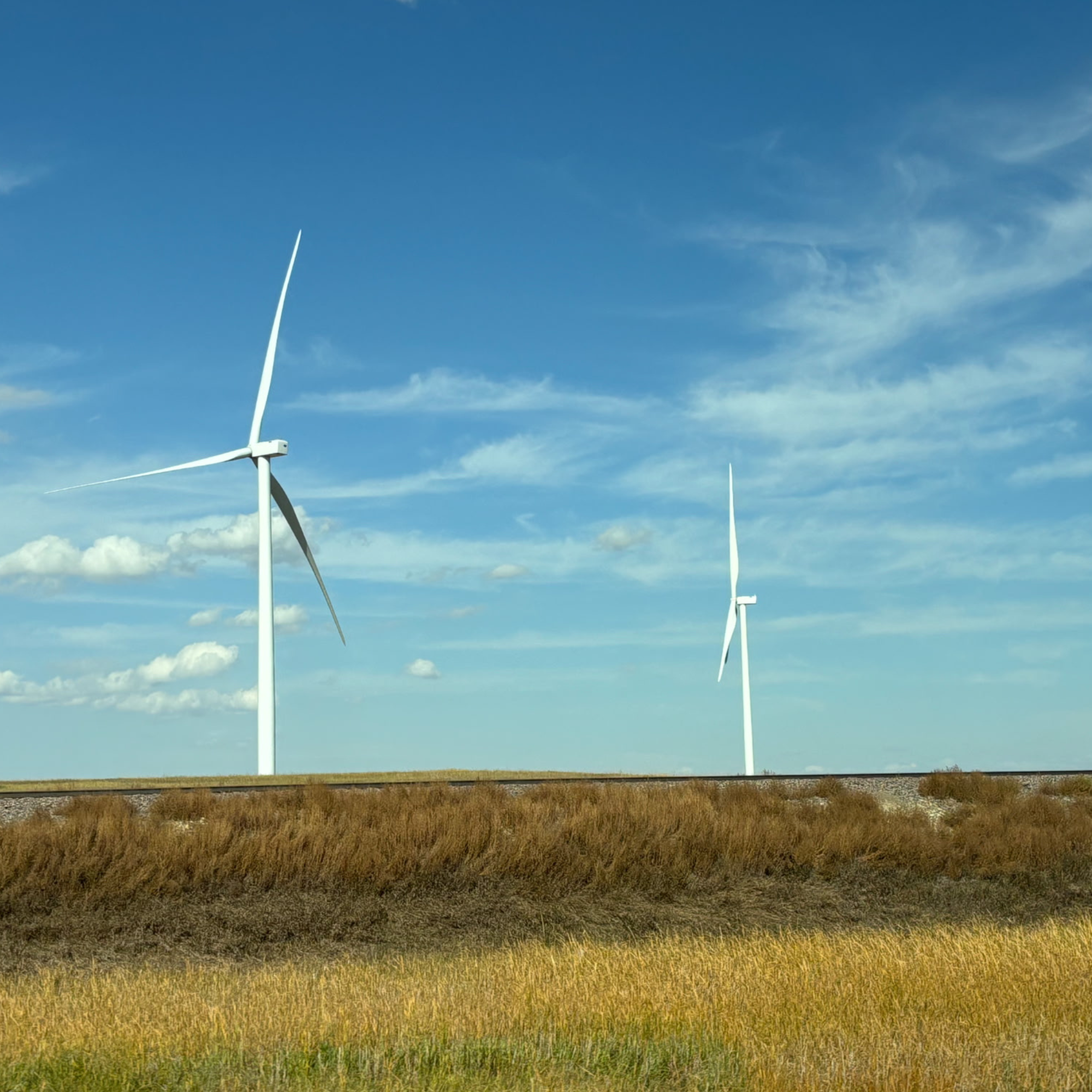
Bowman Wind is a wind energy project that came online in 2025 and will deliver ~208 MW to rural Bowman County, North Dakota. The project prioritized the protection of unbroken grassland, or native prairie that has never been tilled or mechanically disturbed.
Accelerating a Clean Future, Together
Harvard, Massachusetts Institute of Technology (MIT), and Massachusetts General Brigham (MGB) founded the Consortium for Climate Solutions.
PowerOptions, a non-profit energy-buying organization enabled an additional eight organizations to join the Consortium: the City of Cambridge, Beth Israel Lahey, Boston Children’s Hospital, Dana-Farber Cancer Institute, Tufts University, the Mass. Convention Center Authority, the Museum of Fine Arts, and WGBH. One major benefit of the Consortium is that PowerOptions members were able to access affordable, large-scale renewable energy purchases that would typically be out of reach for individual buyers.

12 local partners

~1 million tons of emissions avoided
1.3 million MWh
These 12 organizations, with Harvard, MIT and MGB serving as anchor buyers, enabled the development of two large-scale renewable energy projects — Big Elm Solar in Texas and Bowman Wind in North Dakota. Together, the projects are expected to add approximately 1.3 million megawatt-hours of renewable electricity annually to the U.S. grid and could avoid more than 900,000 metric tons of carbon dioxide-equivalent greenhouse gas emissions from entering the atmosphere each year.
The Consortium was established with the support of Harvard’s leadership and led by the Harvard Office for Sustainability in collaboration with faculty and other key stakeholders. The projects selected for investment align with the recommendations and criteria set forth by the Fossil Fuel-Neutral by 2026 Subcommittee of the University’s Presidential Committee on Sustainability.
“Investing in new large-scale renewables marks a significant step forward for Harvard in its commitment to a clean energy future. By founding the Consortium with MIT, MGB, and PowerOptions members, we are not only catalyzing the transition to a cleaner grid, but also demonstrating a collaboration model that will enable a variety of nonprofit organizations and municipalities to work together to address the urgent challenges of climate change.”
— Meredith Weenick, Executive Vice President, Harvard University
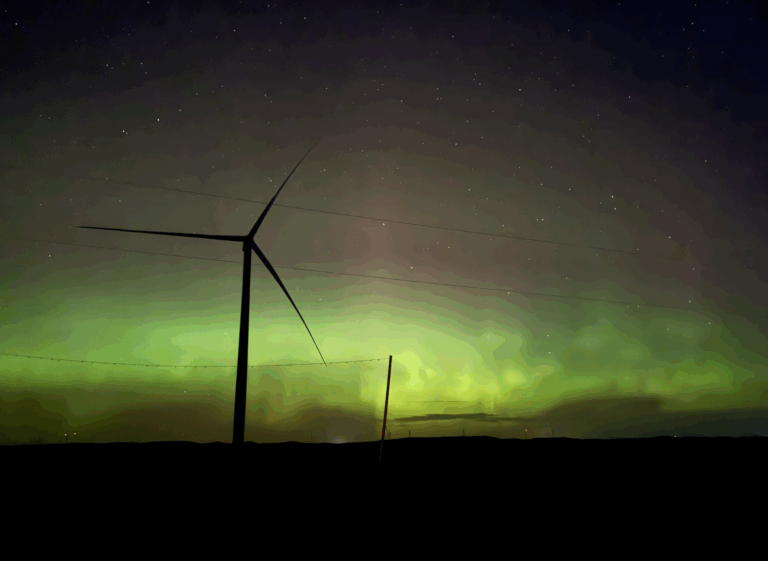
Wind turbine at Bowman Wind during aurora borealis.
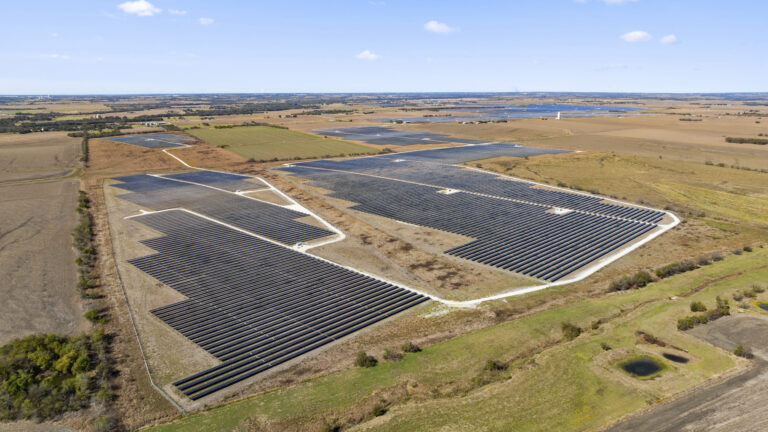
Solar panels at Big Elm Solar.
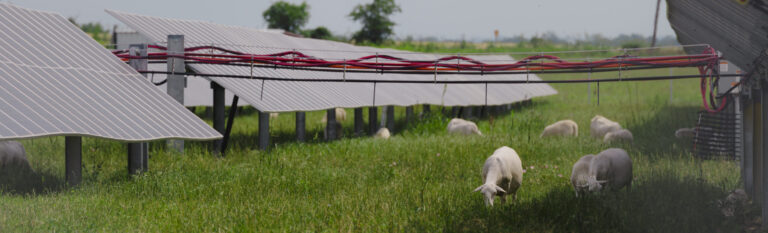
Sheep graze under solar panels at Big Elm Solar.
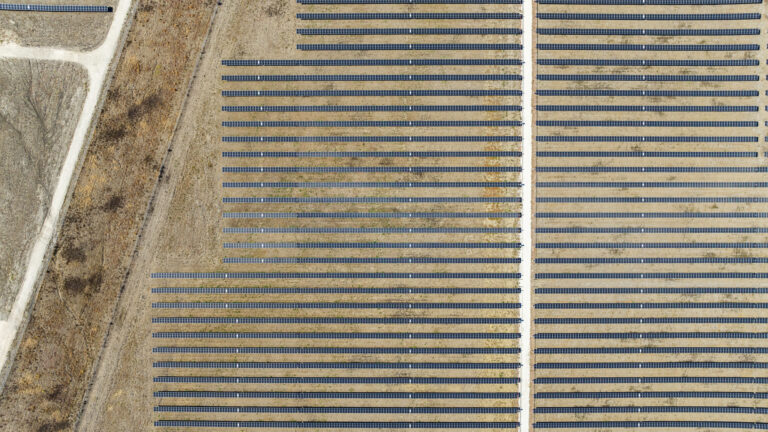
Solar panels at Big Elm Solar.
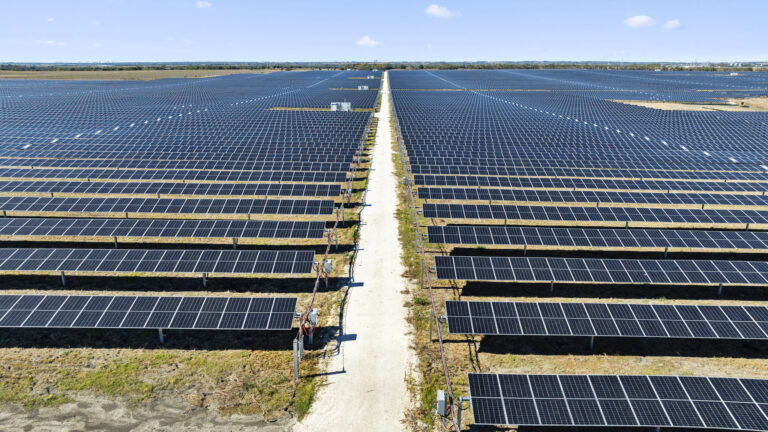
Solar panels at Big Elm Solar.
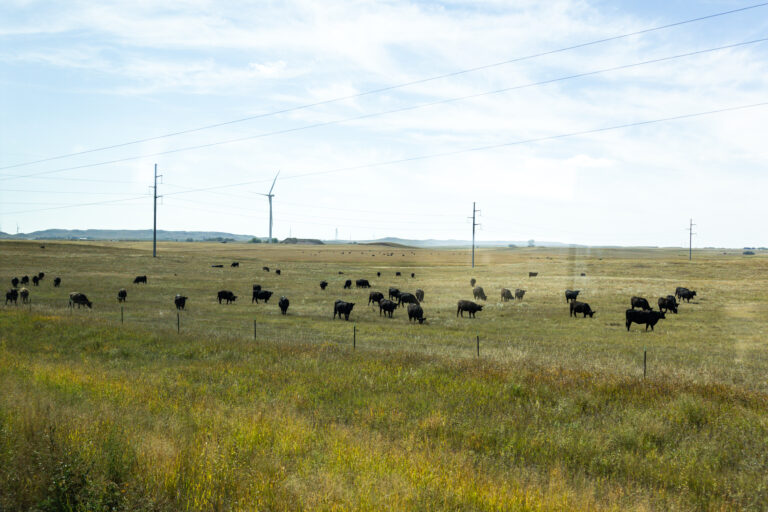
Wind turbines at Bowman Wind.
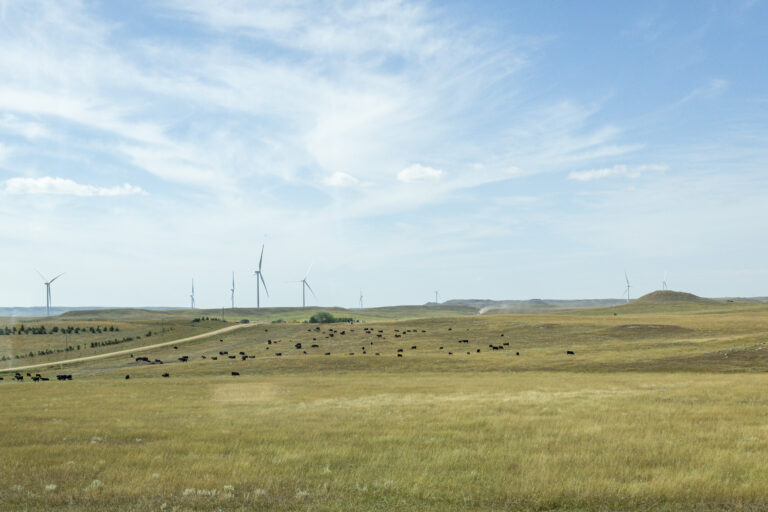
Wind turbines at Bowman Wind.
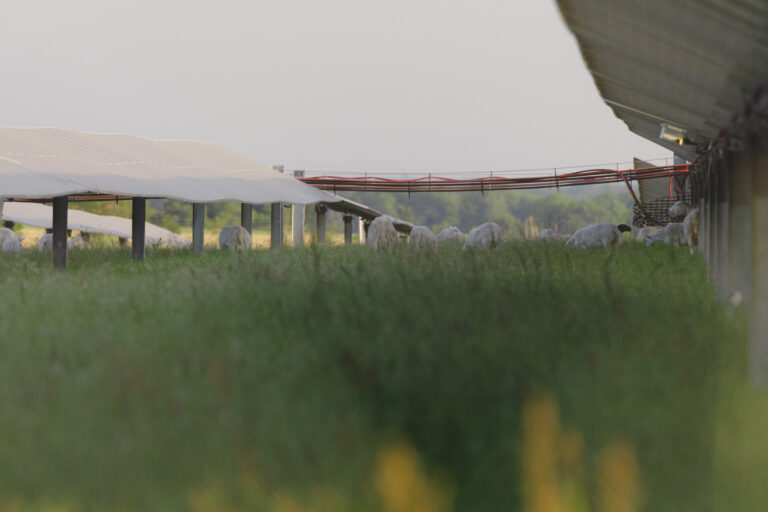
Sheep graze under solar panels at Big Elm Solar.
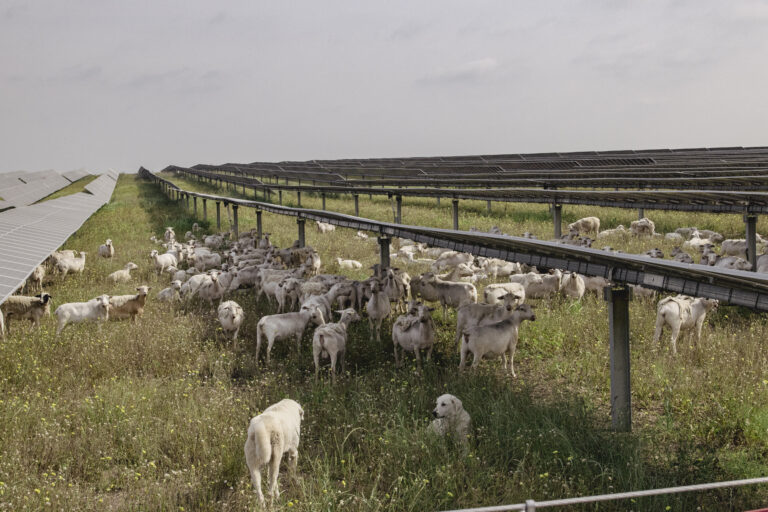
Sheep graze under solar panels at Big Elm Solar.