Harvard’s Renewable Energy Projects
Harvard is committed to decarbonizing its campus and supporting the transition to clean energy sources. Two new large renewable electricity projects, combined with ongoing renewable electricity procurement in New England, provide Harvard with the equivalent of 100 percent of its electricity from renewable sources, fulfilling a key component of the University’s goal to be Fossil Fuel-Neutral by 2026.
Off-Site Renewable Energy Projects
Big Elm Solar
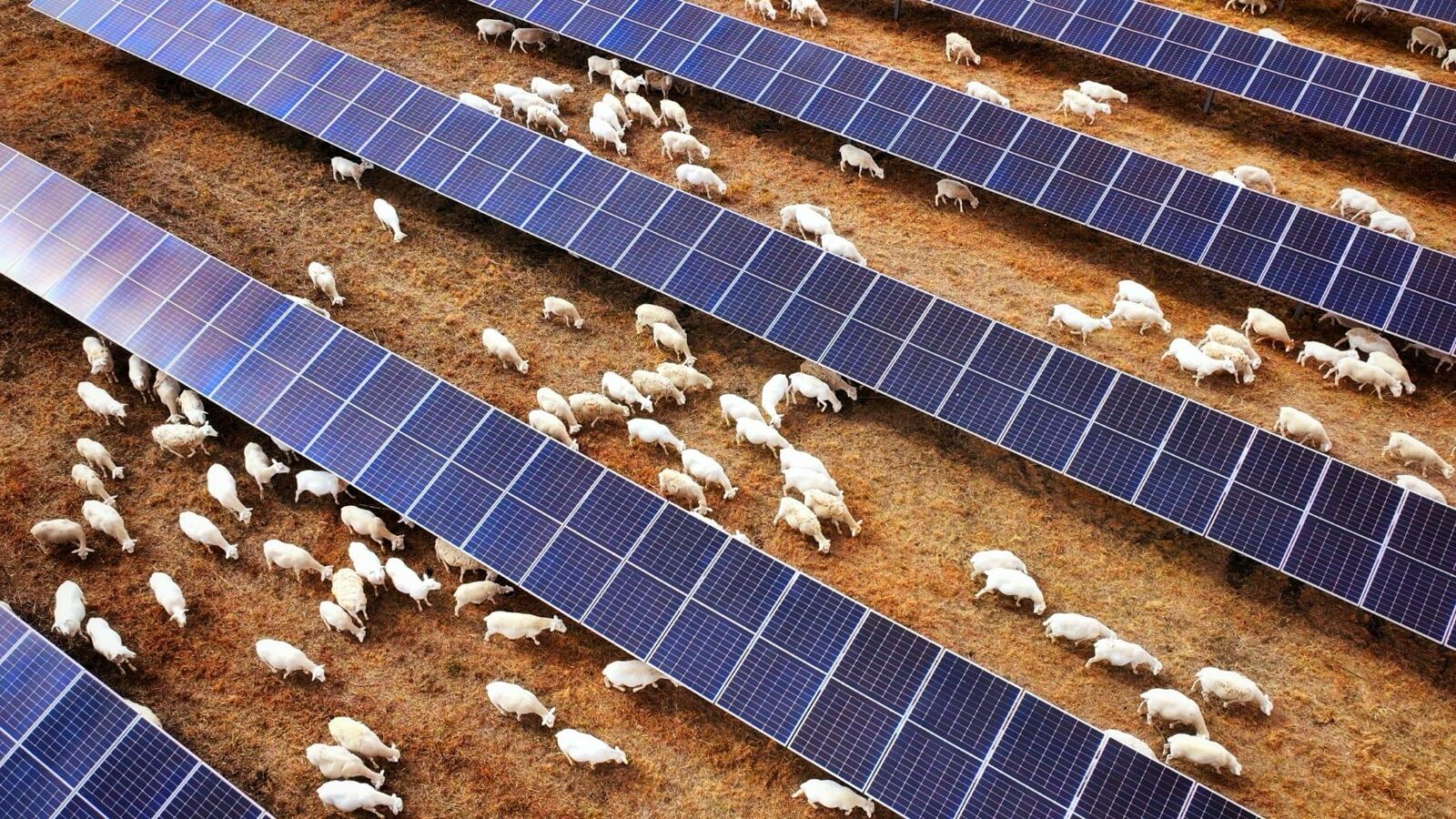
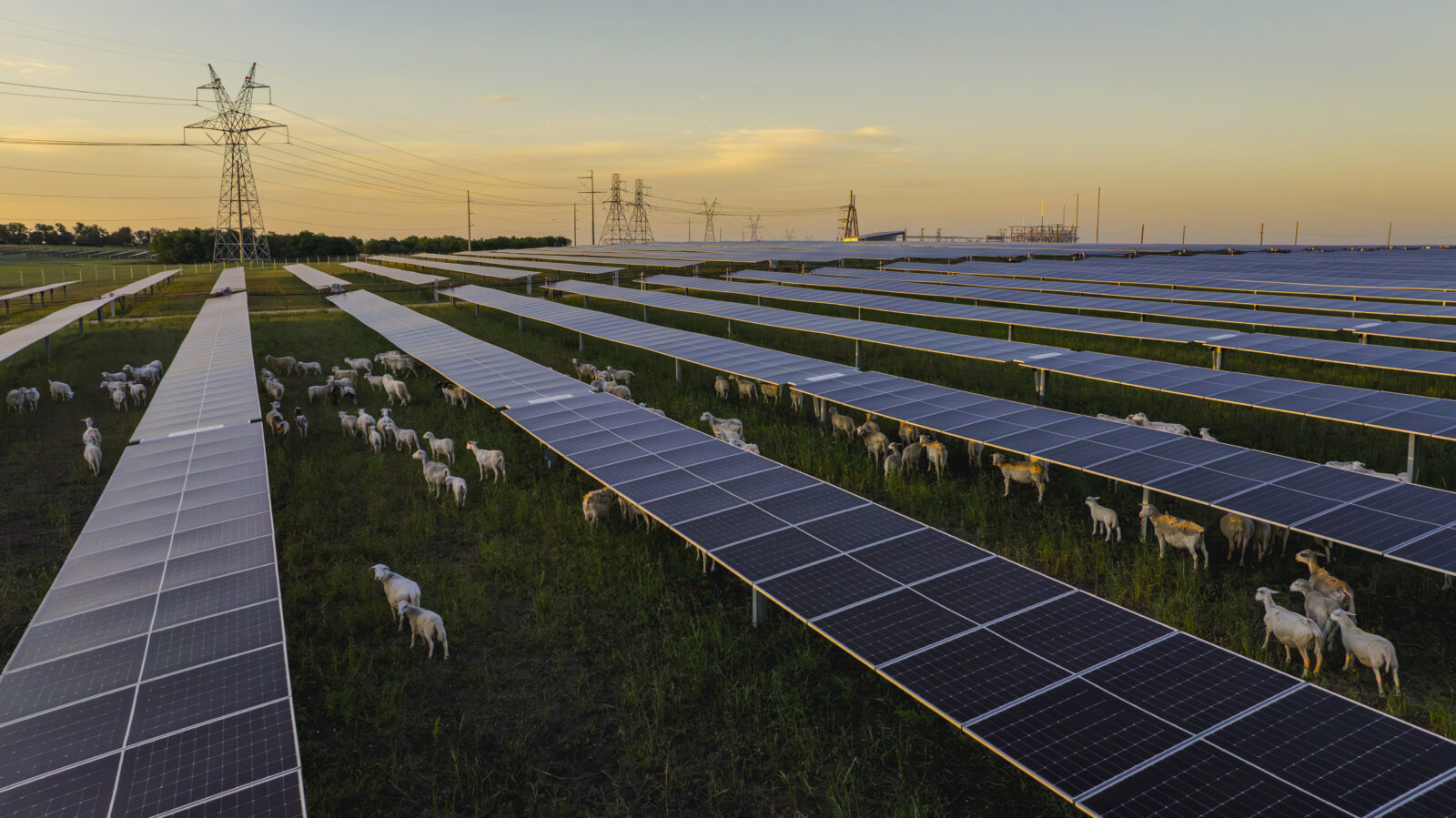
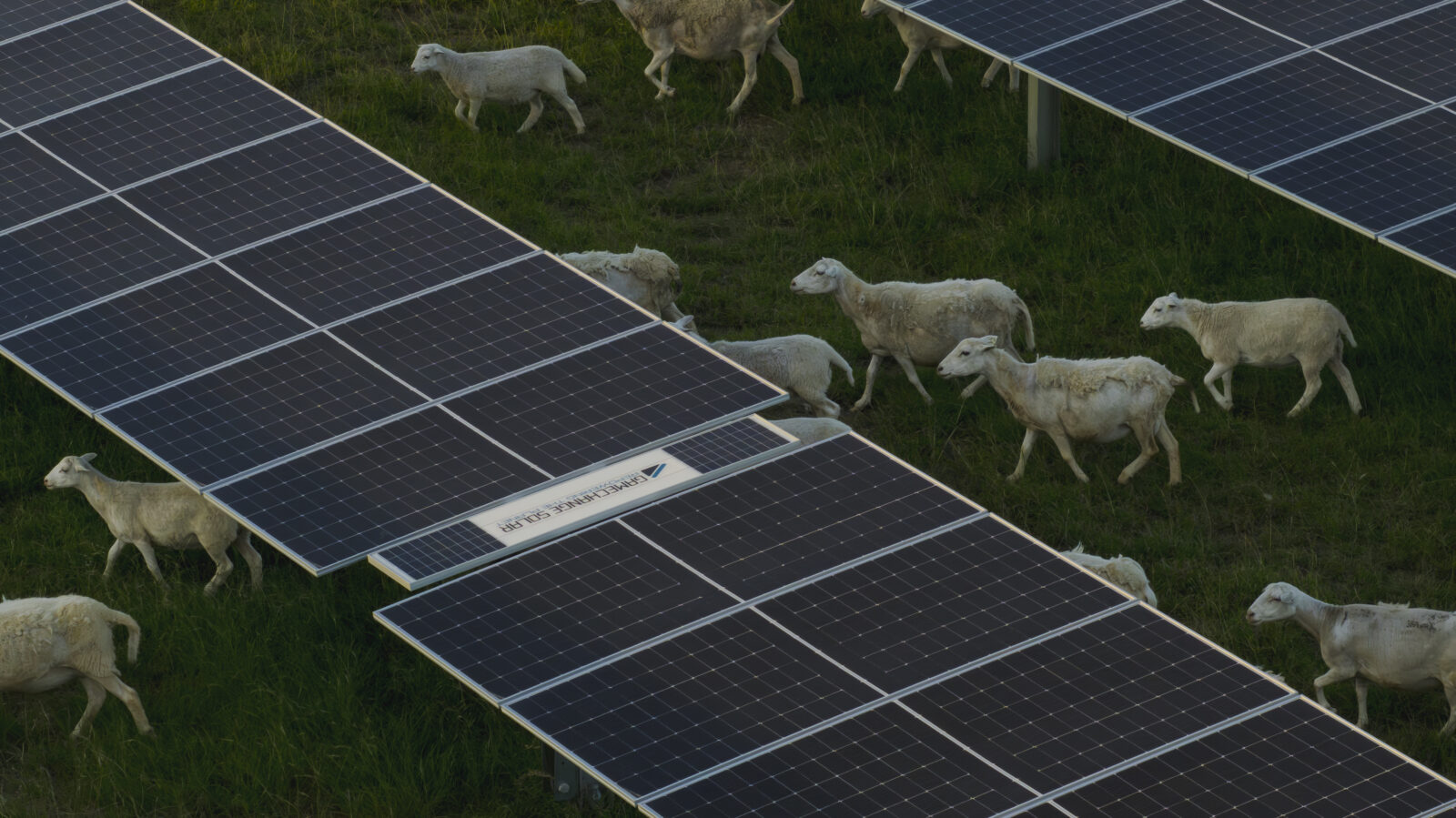
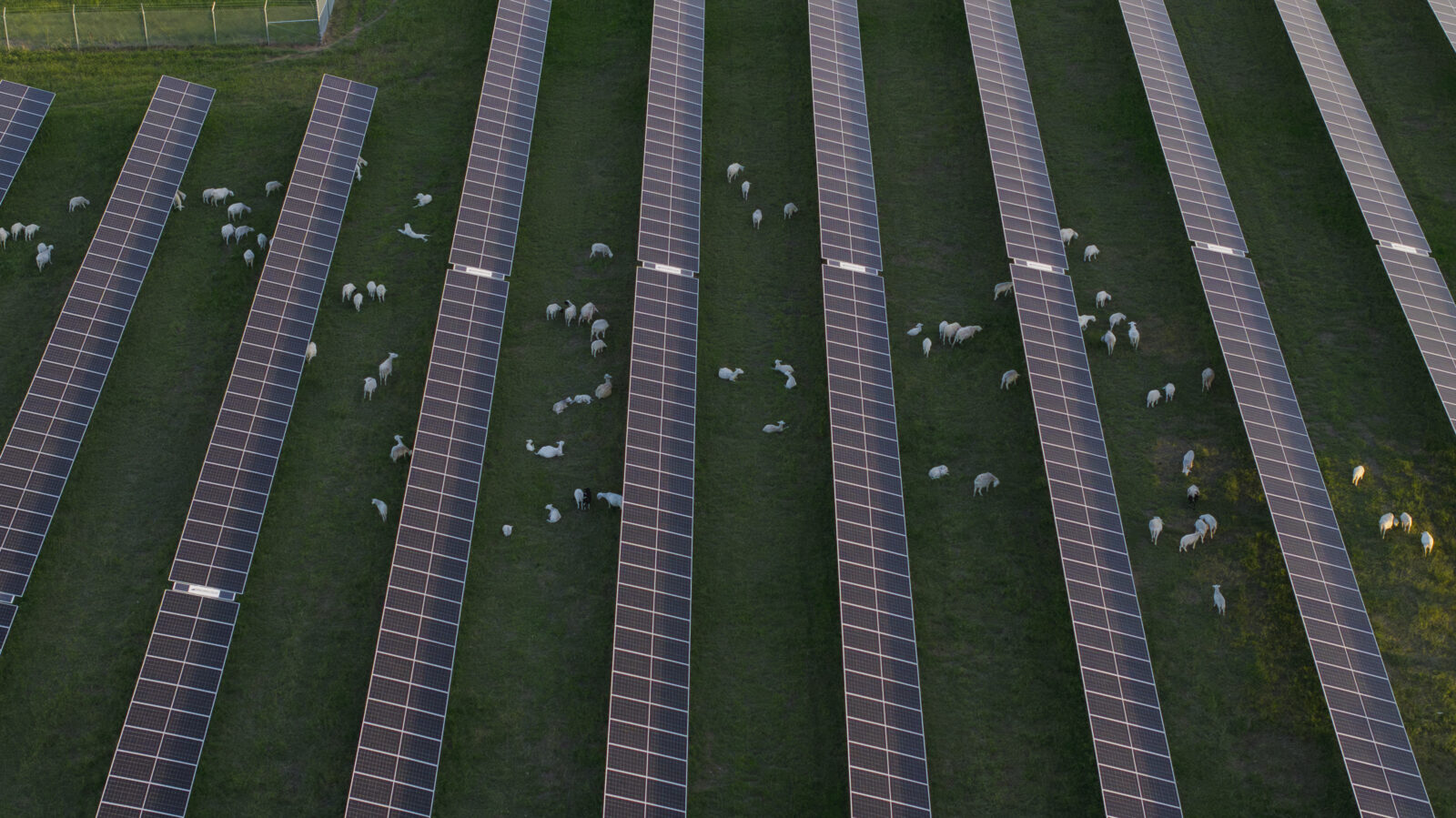
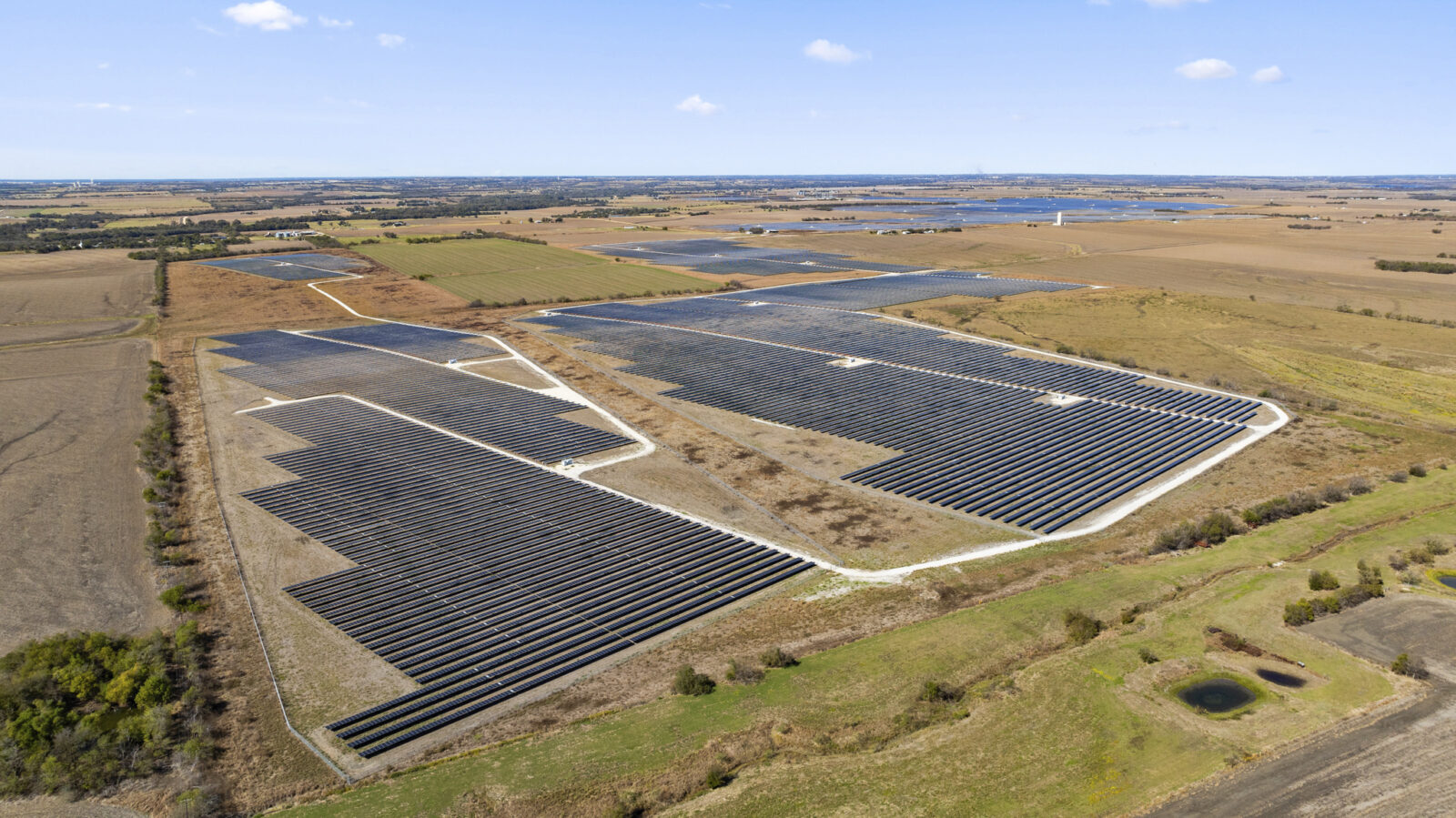
Big Elm Solar
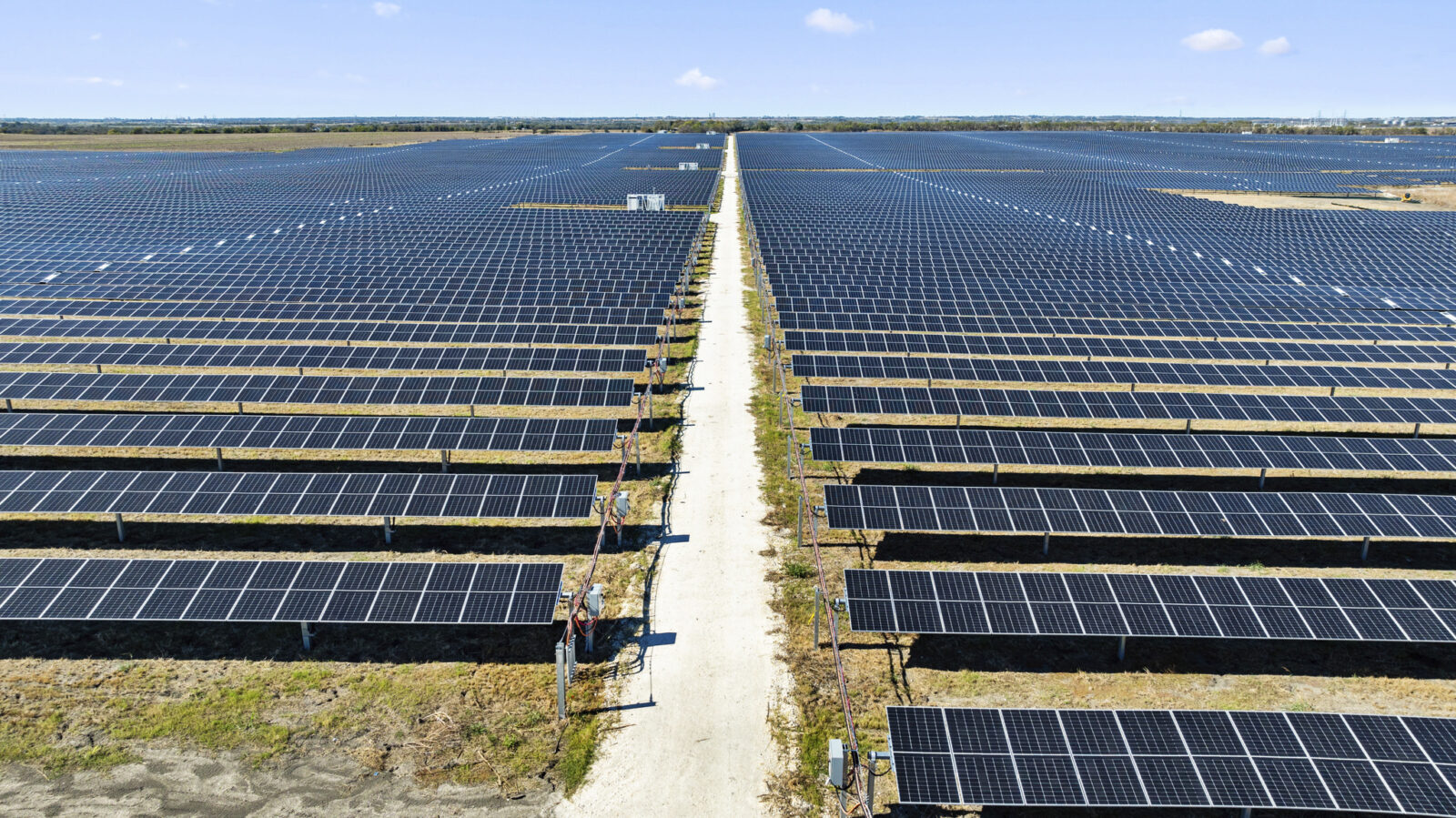
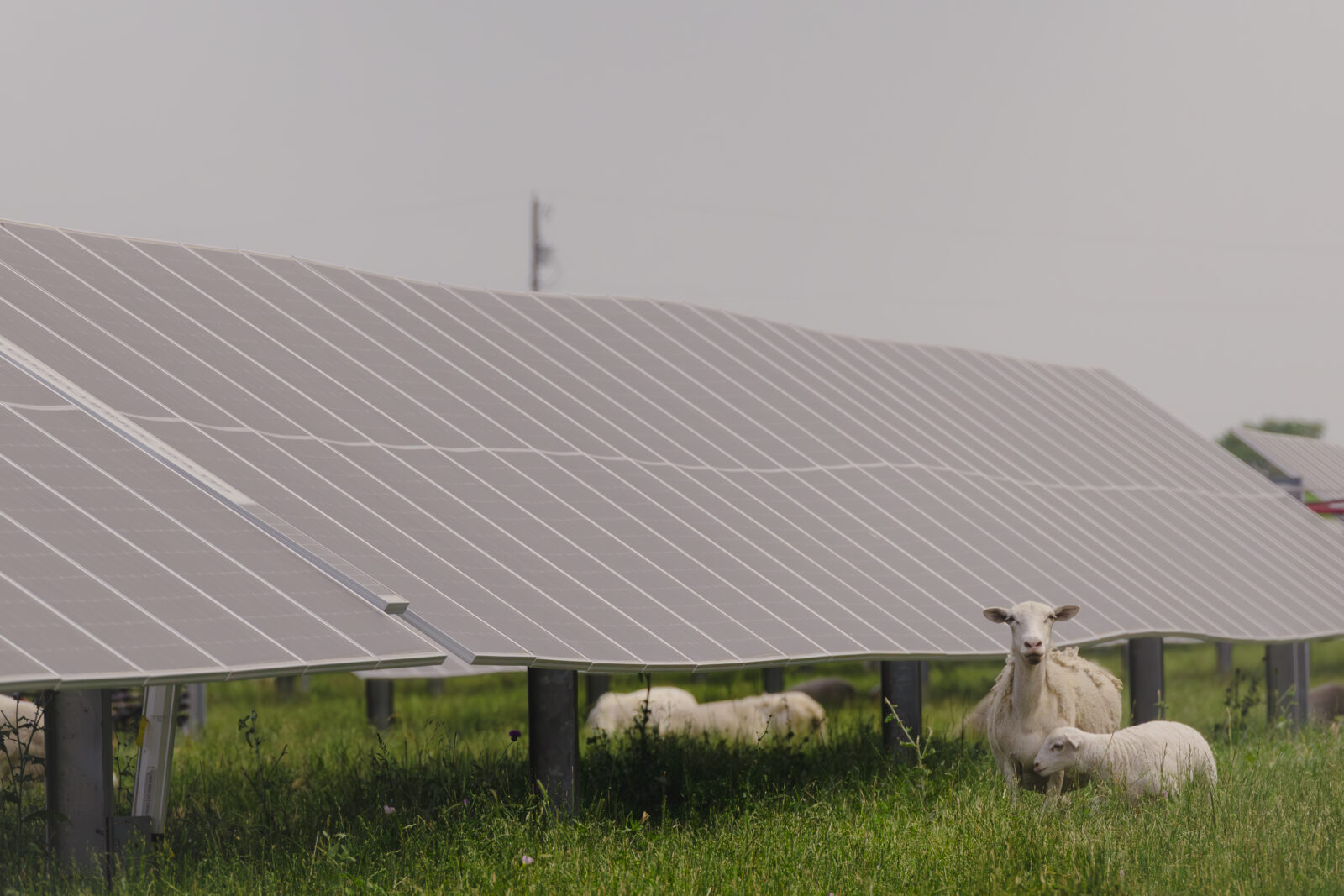
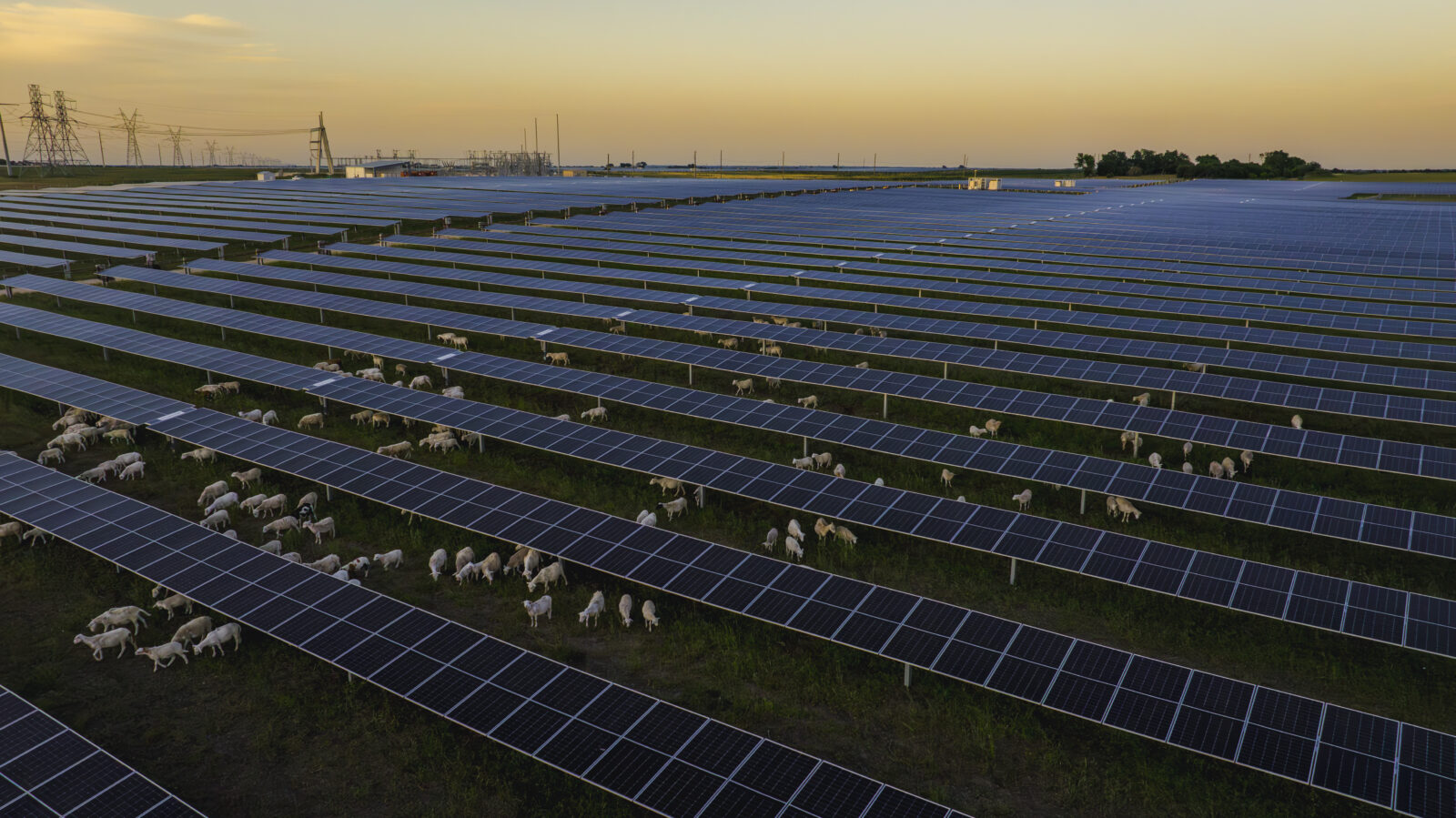
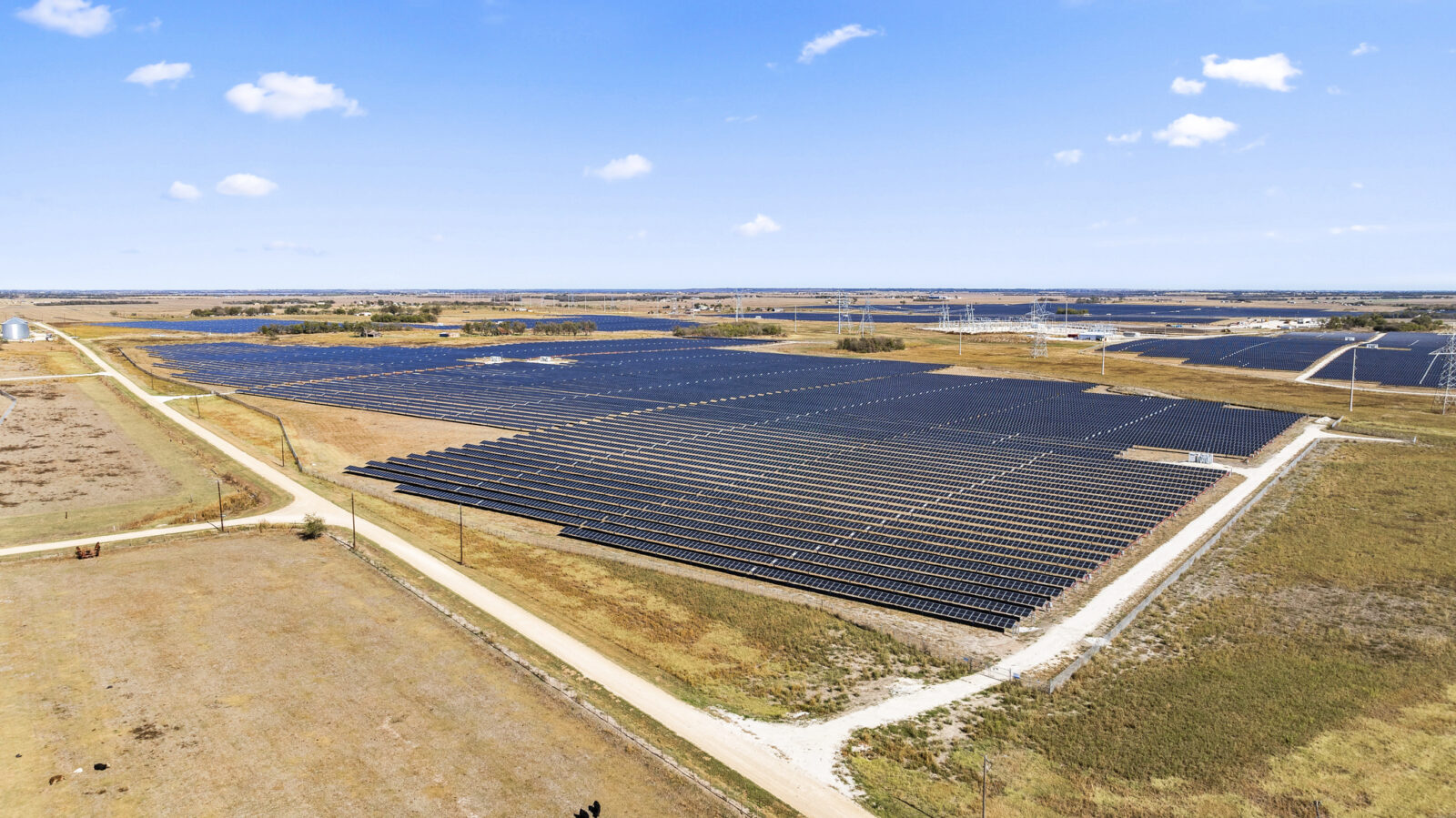
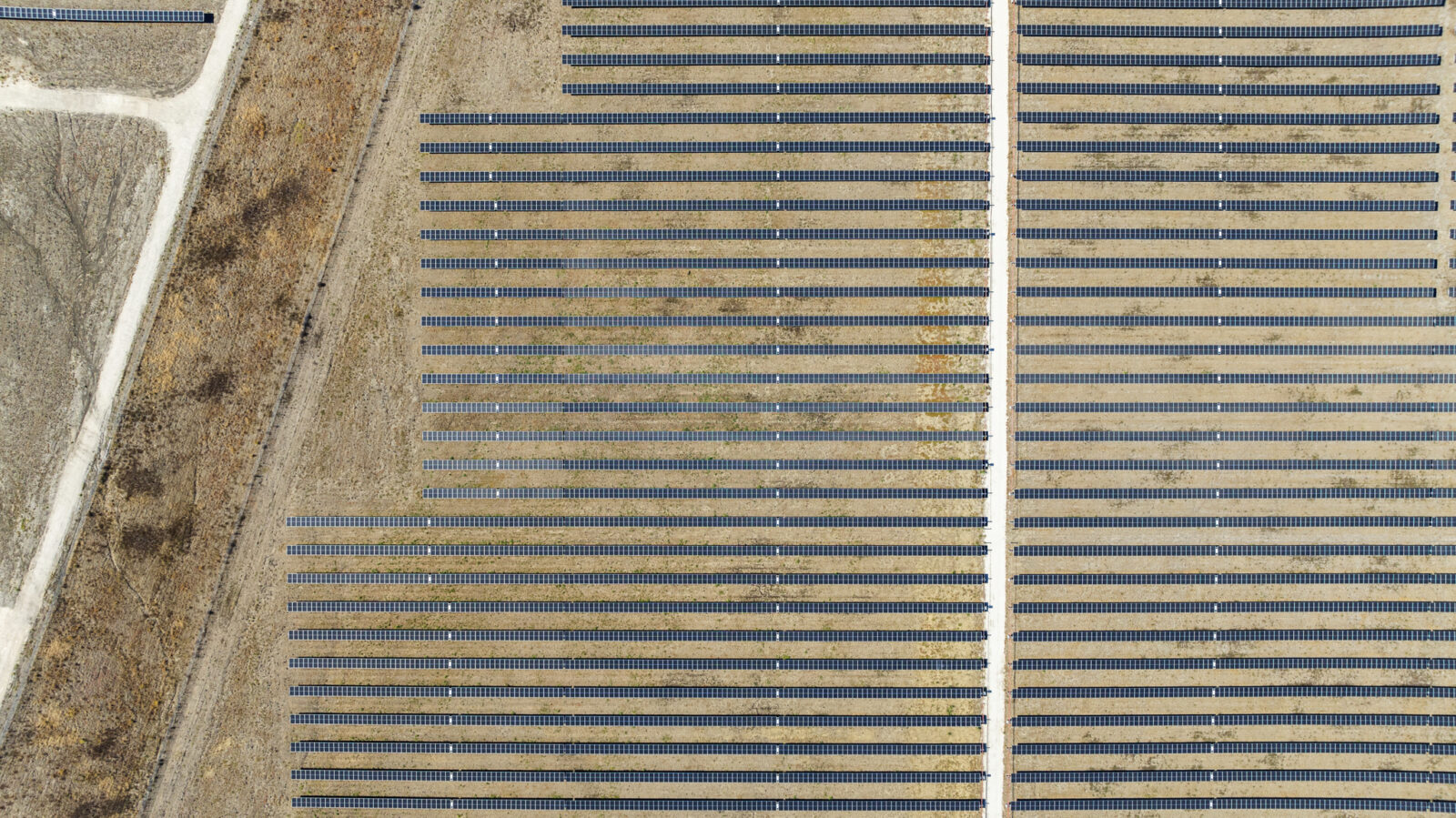
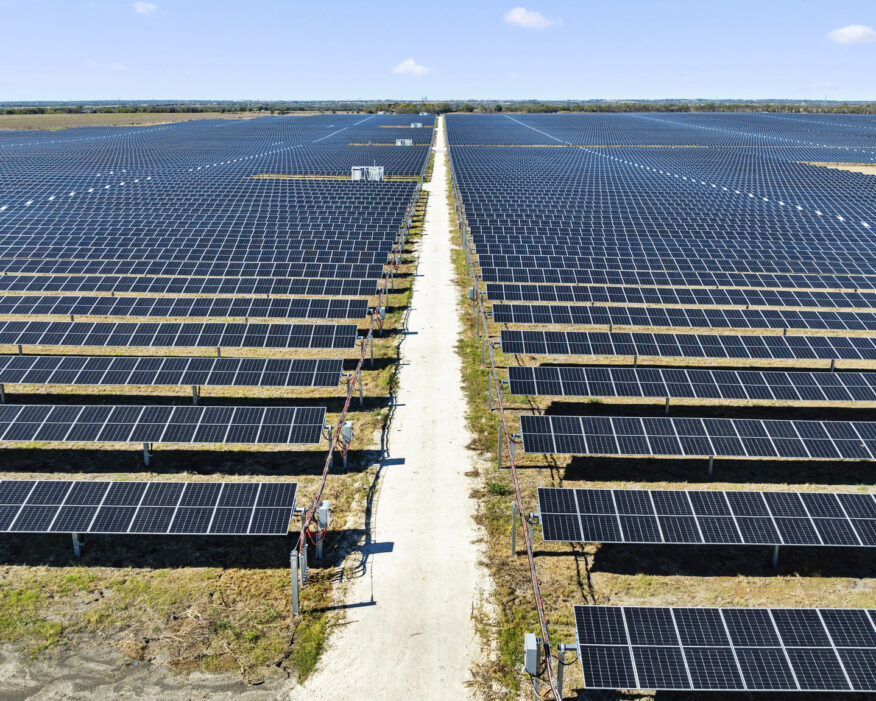
Big Elm Solar is a 200 MW solar project in Bell County, Texas. Harvard University, through the Consortium for Climate Solutions, enabled the development of this new large renewable project. Harvard committed to procure ~100,000 MWh of clean electricity from this project every year for the next 15 years via virtual power purchase agreement (vPPA).
The project became operational in late 2024 and is expected to generate enough clean energy to power more than 40,000 homes according to Apex Clean Energy. Learn more about Big Elm and its impact.
Bowman Wind
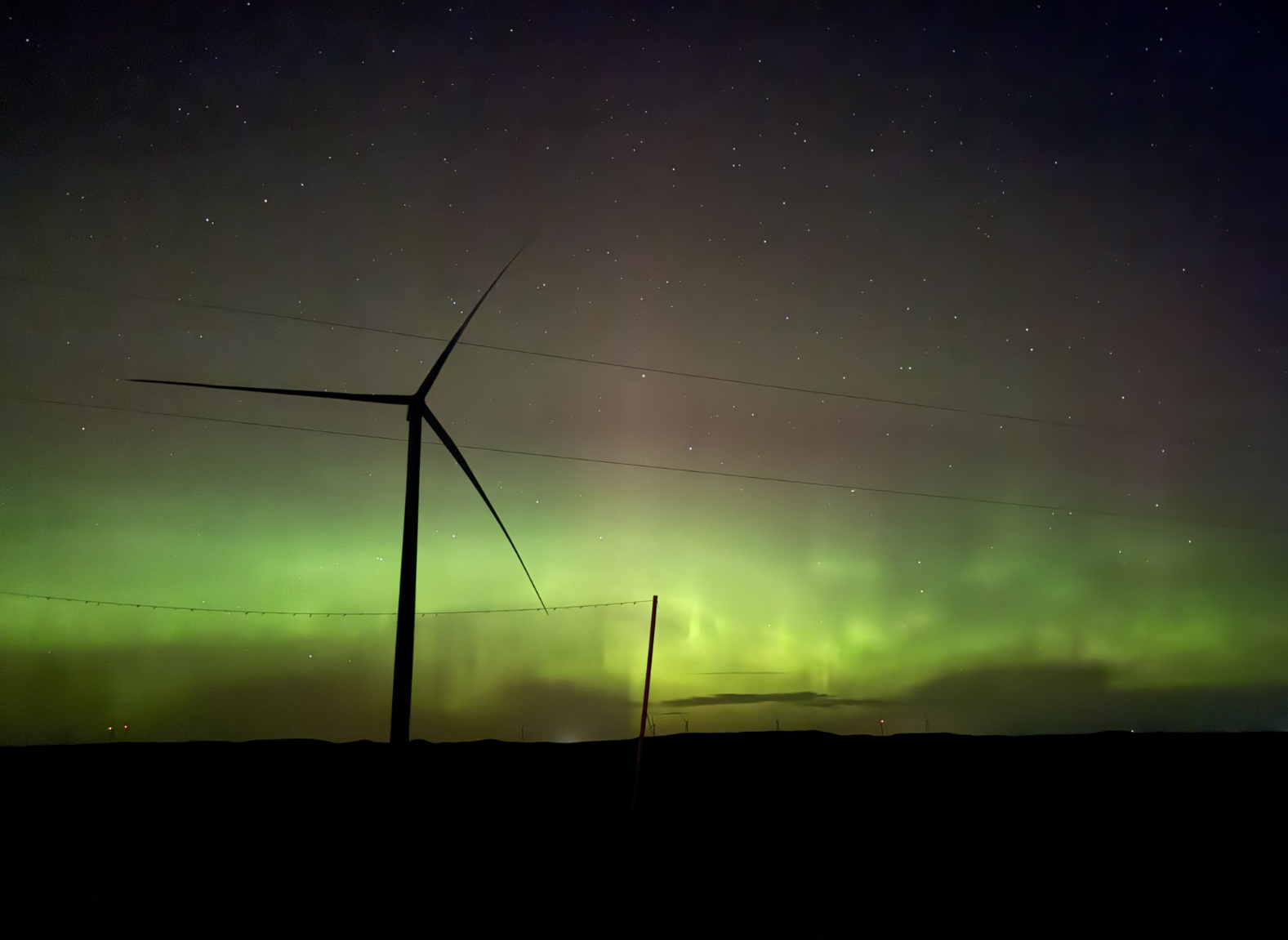
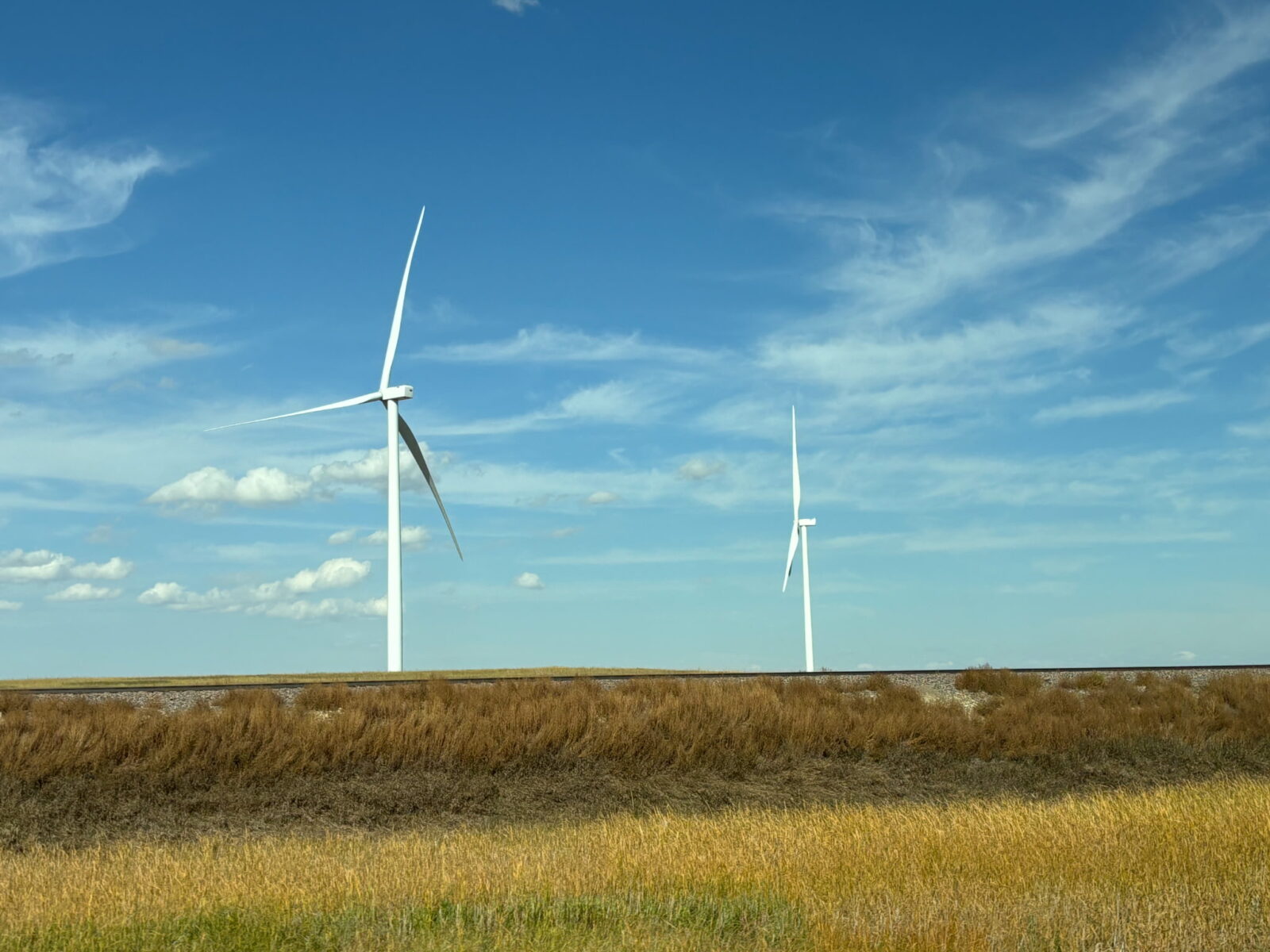
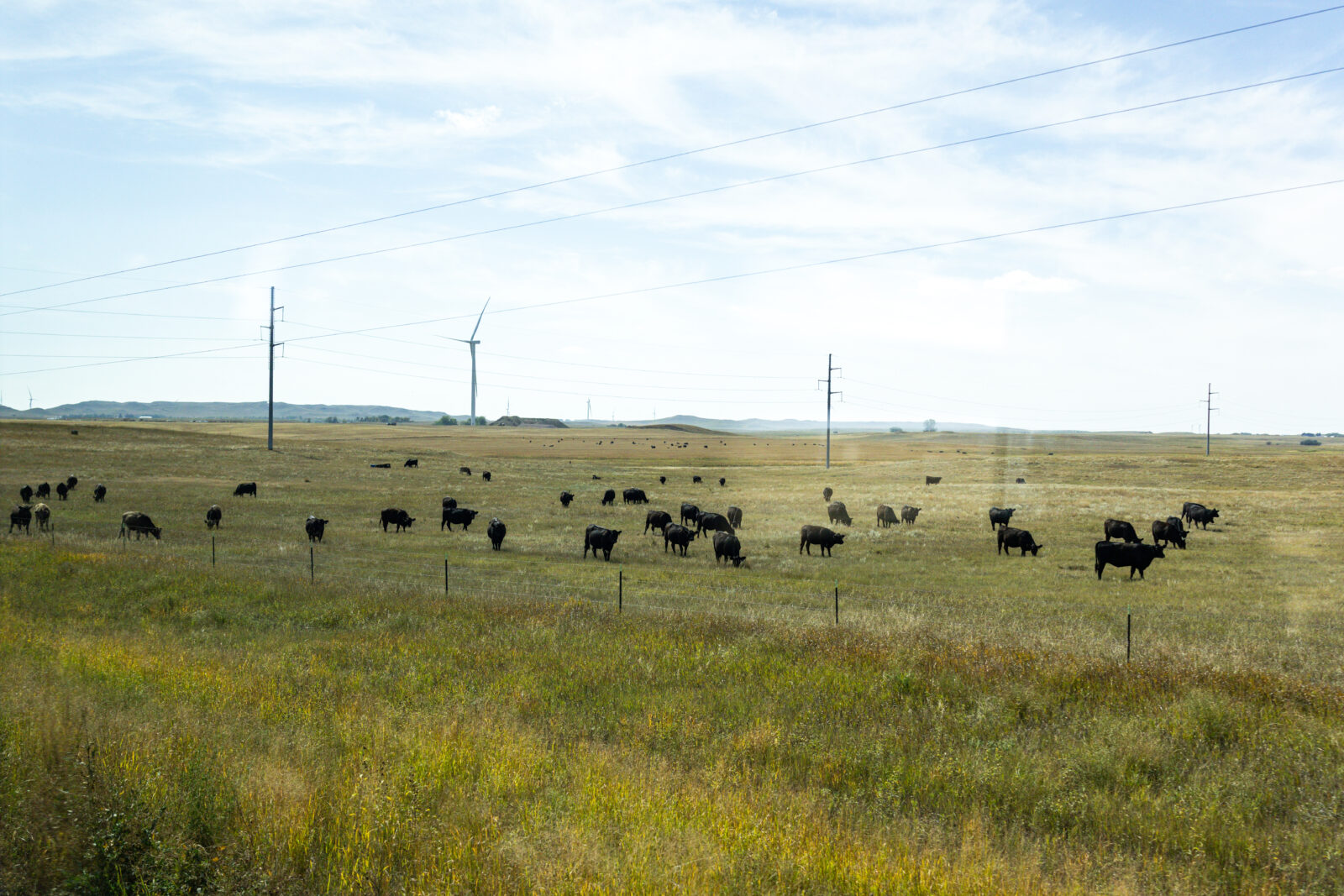
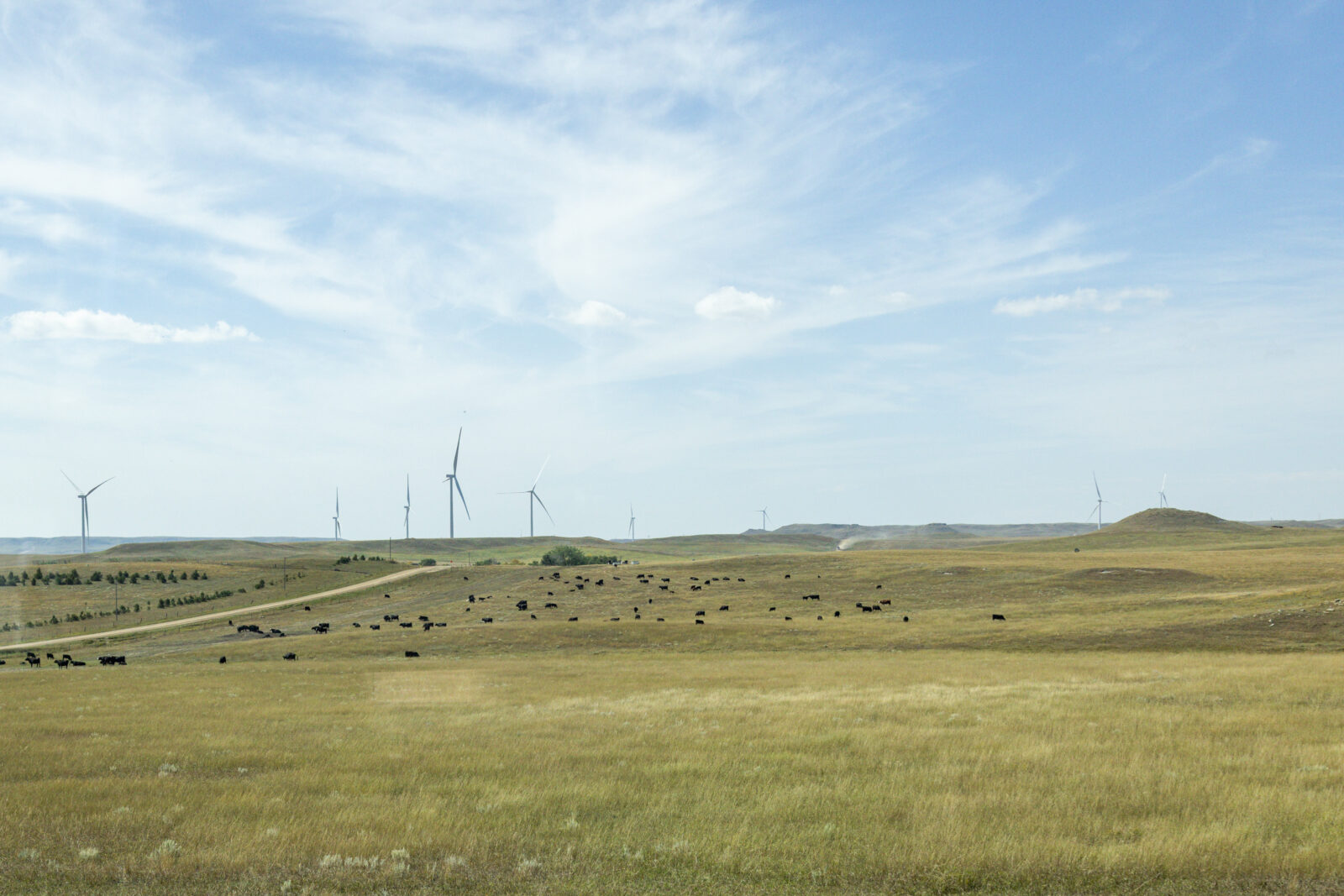
Bowman Wind
Bowman Wind is a 208MW wind energy project in rural Bowman County, North Dakota. Harvard University, through the Consortium for Climate Solutions, has committed to purchasing ~200,000 MWh of clean electricity from this project for the next 15 years via a virtual power purchase agreement. The 15-year procurement commitment by Harvard and the Consortium partners enabled the development of this large new renewable project.
Bowman Wind became operational in late 2025 and is expected to generate enough clean energy to power more than 70,000 U.S. homes. Learn more about Bowman Wind and its impact.
ACCELERATING CLIMATE ACTION
Harvard, MIT, Mass General form renewable energy collaboration
The Consortium for Climate Solutions is a first-of-its-kind renewable energy aggregation led by Harvard, MIT, and MGB. The Consortium exemplifies collaboration on climate action, enabling greater renewable energy investment in two impactful projects — Big Elm Solar in Bell County, TX, and Bowman Wind in Bowman County, ND — that will collectively generate enough clean power to power the electricity use of more than 100,000 homes annually.
These virtual power purchasing agreements (VPPAs) for new, utility-scale renewable energy projects, when combined with Harvard’s renewable procurement in New England, means Harvard is purchasing the equivalent of 100% of its electricity from renewable sources starting in 2026.
On-Site Renewable Energy
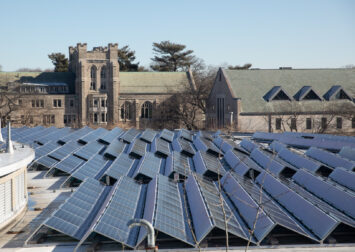
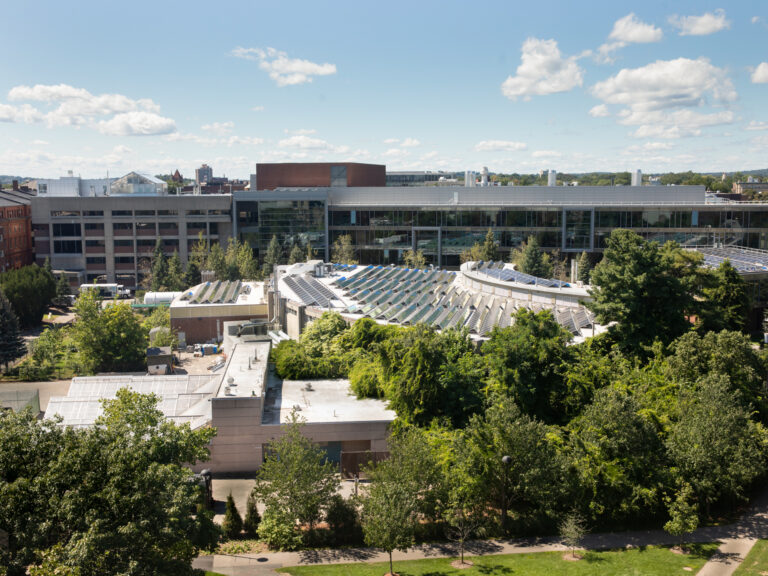
Generating renewable energy on site is a key step to decarbonizing Harvard’s campuses. The University has installed solar photovoltaic (PV) capacity at nearly 40 locations across campuses, as well as open- and closed-loop geothermal systems that use geothermal wells and water source heat pumps to heat and cool buildings.